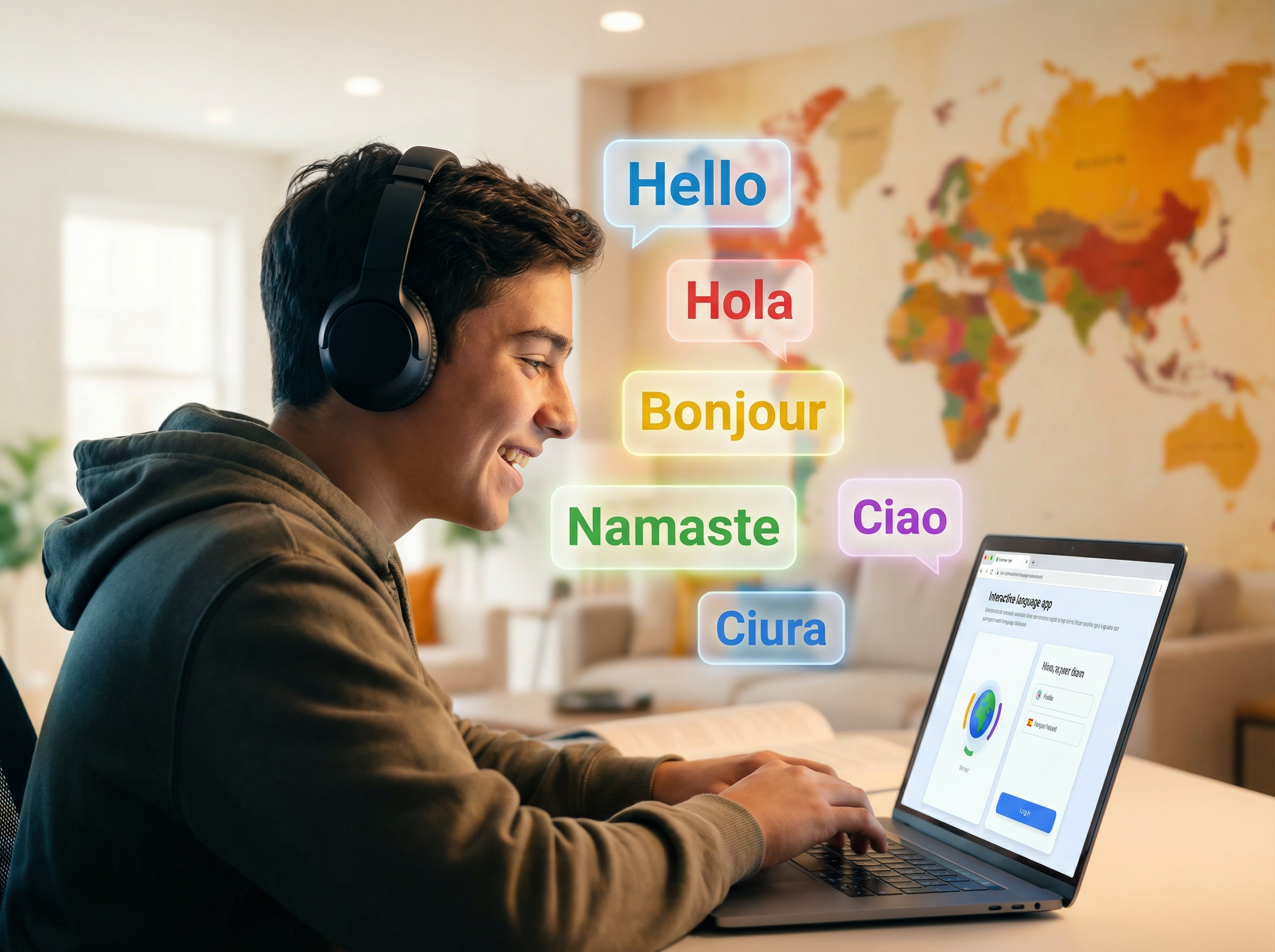
Your First Steps: How To Successfully Learn A New Language Online
Learning a new language is an exciting journey that opens up doors to new cultures, ideas, career opportunities, and meaningful connections. Digital platforms now make it easier than ever to start learning from anywhere in the world. Whether you are learning for travel, business, academics, or personal growth, the right approach can help you stay motivated and achieve fluency faster.
Why Choose Online Language Learning?
Online language learning offers flexibility and convenience. Students can access live classes, recorded sessions, language apps, and interactive exercises at their own pace. You can choose programs that fit your schedule and learning style. Additionally, online platforms often connect learners with native speakers, giving you real-world communication practice.
Laying the Groundwork: Setting Clear Goals
Before starting, define your purpose for learning the language. Are you preparing for travel, career advancement, academic exams, or cultural exploration? Setting clear and realistic goals helps track your progress and keeps you motivated throughout your learning journey.
Finding the Best Tools for Your Journey
Select tools that match your learning style. Language apps, online courses, video lessons, podcasts, and digital flashcards can all support your progress. Many platforms offer structured learning paths, practice exercises, and speaking opportunities to build confidence step by step.
The Foundation: Building a Daily Habit
Consistency is key to mastering a language. Even 20–30 minutes of daily practice can significantly improve vocabulary, grammar, and pronunciation. Make language practice part of your routine through reading, listening, writing, and speaking exercises.
Making the Most of Online Tutors
Online tutors provide personalized feedback and structured learning plans. Choose a tutor who understands your goals and adapts lessons to your needs. Regular interaction with a teacher accelerates improvement and builds speaking confidence.
Smart Strategies for Beginners
Focus on practical vocabulary and commonly used phrases first. Practice listening daily to improve comprehension. Don’t fear mistakes — they are a natural part of learning. Immersing yourself in media such as music, movies, and podcasts can strengthen understanding.
Embracing Community and Language Exchange
Joining online language communities allows you to practice with fellow learners and native speakers. Language exchange partnerships provide real-life conversation practice and cultural insights.
Tracking Progress: Staying Motivated on Your Journey
Monitor your progress regularly. Celebrate small milestones like learning new words, completing lessons, or holding simple conversations. Consistent evaluation helps identify strengths and areas that need improvement.
Overcoming Common Challenges
It’s normal to face obstacles such as pronunciation difficulties, grammar confusion, or loss of motivation. Stay patient and persistent. Revisiting basics, practicing regularly, and seeking feedback can help overcome these challenges effectively.
The Long-Term Payoff
The ability to communicate in a new language enhances cognitive skills, broadens career prospects, and builds global connections. Fluency takes time and dedication, but the personal and professional rewards make the effort worthwhile.